
“Intermediate” can mean almost anything until you put it on a scale.
In this guide, you’ll get the language proficiency levels US learners actually meet, what each one means in real life and a five-step way to find yours.
You’ll also see which scale to use on a resume, a school form or a job application. Let’s dive right in.
Which Scale Should You Use?
Here’s a quick picker, so you can jump straight to the scale that matters for your goal:
- Taking an exam, using an app or moving abroad? Start with the CEFR levels below.
- Studying a language in a US school or college? Jump to ACTFL.
- Applying for a federal or government job? Go straight to the ILR scale.
- Writing a resume? Skip to the resume section near the end.
Not sure? Start with the CEFR, because it’s the scale most tests and courses describe.
The CEFR Levels, A1 to C2
The Common European Framework of Reference (CEFR) sorts language ability into six levels. The Council of Europe created it to standardize how ability is described, and some schools add a pre-A1 level for complete beginners.
The six levels fall into three bands. A means basic user, B means independent user and C means proficient user.
A1: Beginner
At A1, you can use familiar everyday expressions and very basic phrases. You can introduce yourself and ask simple personal questions, as long as the other person speaks slowly and helps you out.
A typical A1 moment sounds like “Where is the bus? My name is Jenna.”
A2: Elementary
At A2, you understand frequent expressions about family, shopping, work and your surroundings. You can handle simple, routine exchanges, such as ordering food at a café.
B1: Intermediate
B1 is where you start to manage on your own. You follow the main points of clear speech on familiar topics, cope with most travel situations and can describe experiences, hopes and plans.

For example, you can talk about your hobbies or understand a news headline.
B2: Upper Intermediate
At B2, you understand the main ideas of complex texts, including technical talk in your field. You can talk with native speakers fluently and without strain on either side, and you can explain the pros and cons of an option.
C1: Advanced
C1 means you understand long, demanding texts and catch implied meaning. You speak fluently without obvious searching for words, and you can use the language well for work, study and social life.
C2: Proficient
C2 is near-native skill. You understand almost everything you hear or read, and you can express fine shades of meaning even in complex situations.
These levels work the same way in every language. So once you know the ladder, the CEFR levels for Spanish, the French CEFR levels and what A2 German looks like will all feel familiar.
ACTFL Levels: The US Classroom Scale
ACTFL, the American Council on the Teaching of Foreign Languages, rates proficiency from Novice up to Distinguished, with Intermediate, Advanced and Superior in between.
Intermediate and Advanced each split into Low, Mid and High sublevels. So “Intermediate Mid” is a real ACTFL rating, not a vague description.
Use ACTFL when your teacher, school or program reports levels by name instead of letters. Your first step: ask your teacher which ACTFL level your class is aiming for this year.
ILR Levels: The 0-5 Government Scale
The Interagency Language Roundtable (ILR) scale runs from 0 to 5. Zero means no proficiency, and 5 means native or bilingual proficiency.

Here’s what each step is called:
- 0: No proficiency
- 1: Elementary proficiency
- 2: Limited working proficiency
- 3: Professional working proficiency
- 5: Native or bilingual proficiency
Level 4 sits between professional working skill and native skill.
If a job posting names an ILR number, read that level’s official description before you apply. You’ll need to back up your rating.
Language Proficiency Levels Side by Side
The three scales don’t use the same number of steps, so you can’t match them one for one. Here’s how they compare:
| Scale | Levels | Where you’ll see it |
|---|---|---|
| CEFR | A1 to C2 (6 levels) | Exams, apps, courses, Europe |
| ACTFL | Novice to Distinguished | US schools and colleges |
| ILR | 0 to 5 | US government jobs |
Bottom line: pick the scale your goal uses, and describe your level in that scale’s own words.
Fluency vs. Proficiency (They’re Not the Same)
Fluency is how smoothly you speak, while proficiency is how accurately and broadly you use the language. You can be fluent without being proficient, and the reverse is true too.
For example, a learner might ace a written exam but still freeze in conversation. That’s high proficiency with low fluency.
Fluency is often grouped into four rough stages: basic, conversational, professional, and native or bilingual. If you’re unsure what counts as fluent, rate both skills separately.
How to Find Your Level in 5 Steps
You don’t need a paid exam to get a good estimate. Here’s how to do it this week.
Step #1: Ask Yourself Honest Questions
Start with three quick questions:
- Can you introduce yourself?
- Can you write a simple email?
- Can you follow a song, a news clip or a TV show?
If none of those feel possible yet, the stages of language acquisition will help you see where you are before A1.
Step #2: Take a Free Placement Test
Next, take a free online placement test from a language school. Treat the result as a starting estimate, not a certificate.
App scores are a different thing again. If you use Duolingo, check how Duolingo’s levels line up with the CEFR before you quote them.
Step #3: Record Yourself Speaking and Writing
Record yourself talking about your day for two minutes. Then write a short paragraph about a recent trip.

Compare both with the level descriptions above. Be strict about speaking, because a smooth recording can still hide plenty of errors.
Step #4: Test Yourself in Real Life
Order a coffee, chat with a shop assistant or read the signs at a train station. If that feels easy, you’re probably around A2 or B1.
If you can read complex texts, follow work meetings and write detailed essays, you’re closer to C1 or C2.
Step #5: Retest Every 3 to 6 Months
Your level moves as you study. Retake a placement test every three to six months to track progress and spot the skill that’s lagging.
Note: a self-assessment is fine for planning. When you need proof, book a certified exam from the language proficiency tests that fit your goal.
How to Show Your Level on a Resume
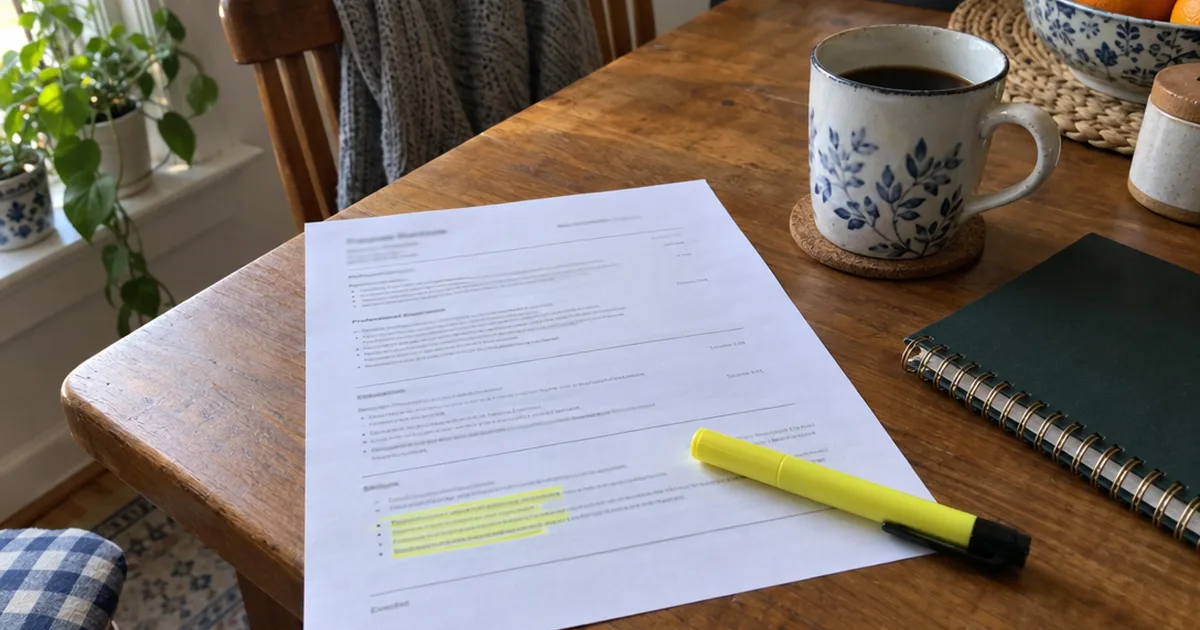
Many resume scales use five labels: basic, conversational, business, full professional, and native or bilingual.
The catch? Employers read those words differently.
So add a framework level in parentheses. Here’s an example:
- Spanish: Conversational (CEFR B1, self-assessed)
- German: Upper intermediate (CEFR B2, telc certificate)
Use the same pattern for every language you list, so your levels of language proficiency on a resume all read the same way.
Turn Your Level Into a Credential
For school or work, a level usually needs a test behind it. In German, for example, telc exam centres offer certificates at every level from A1 to C2.
If you want college credit for Spanish, look at the CLEP Spanish exam. If you work with patients or clients, start with a proficiency test for interpreters.
High school students have one more option. Look up the Seal of Biliteracy requirements for your state, since the seal is a school award for proven skill in two languages.
Your First Step This Week
Your level is a snapshot of what you can do today, and it will change. So this week, take one free placement test and record a two-minute speaking sample.
Which scale will you put your level on first?