The most-used scale of language levels has 6 steps, and none of them is called “fluent.”
That’s why so many people working out how to become fluent in a language chase a finish line they can’t see.
The fix is to define that line yourself, then build toward it every day.
Below are 8 steps that take you from studying a language to using it with ease, each with a first action you can take this week.
How to Become Fluent in a Language Step by Step
Becoming fluent in a language takes 8 steps in order: set a target level, practice daily, learn useful words, listen a lot, speak early, talk with real people, produce more at intermediate and keep the language going. Each step builds on the one before it.
Step 1: Decide What “Fluent” Means for You
Start by picking the level you’re aiming for, because “fluent” means different things to different people. The Common European Framework of Reference for Languages (CEFR) splits ability into six levels, from A1 for beginners to C2 for experts.
A practical target for most learners is B2, upper intermediate, or C1, advanced. Chatting with friends on a trip needs far less than working as a nurse or a lawyer in the language.
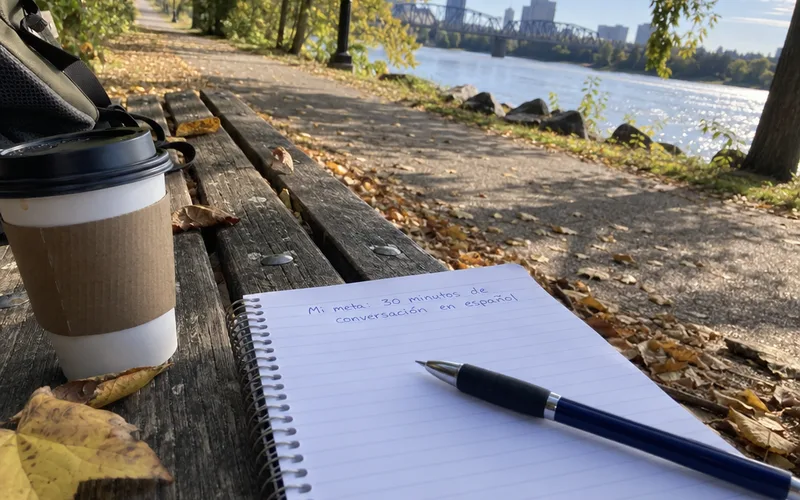
So write one sentence that says what you want to do in the language. For example: “Hold a 30-minute dinner conversation in Spanish without switching to English.”
That sentence is your finish line, and every step below points at it. If you’re not sure which level fits, read up on what counts as fluent before you plan.
Step 2: Build a Daily Habit You Can Keep
Regular practice beats long, rare sessions. A short session every day keeps the language fresh in a way one long Sunday session can’t.
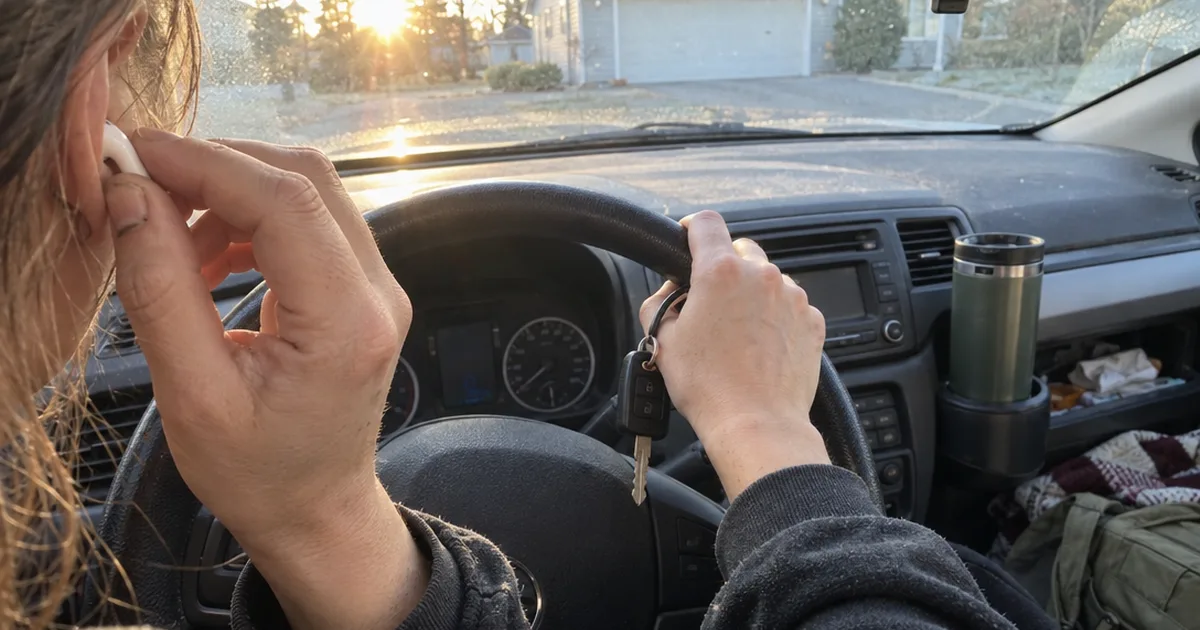
Pick a time you already have, like your commute, lunch break or the 20 minutes after dinner. Then attach the language to it.
On a busy day, that could mean a podcast on the drive, 10 flashcards at lunch and a few sentences said out loud while you cook.
If you’re starting from zero, follow the beginner’s study plan first, then come back here once you can handle simple sentences.
Step 3: Learn the Words You’ll Actually Use
You don’t need every word in the dictionary. You need the words that let you talk about your own life.
Start with the most common words, then add the vocabulary of your job, hobbies and daily routine. A nurse needs body parts and symptoms early, while a gamer needs the words on their screen.
Learn one phrase before all others: “How do you say…?” It turns every gap into a new word on the spot.
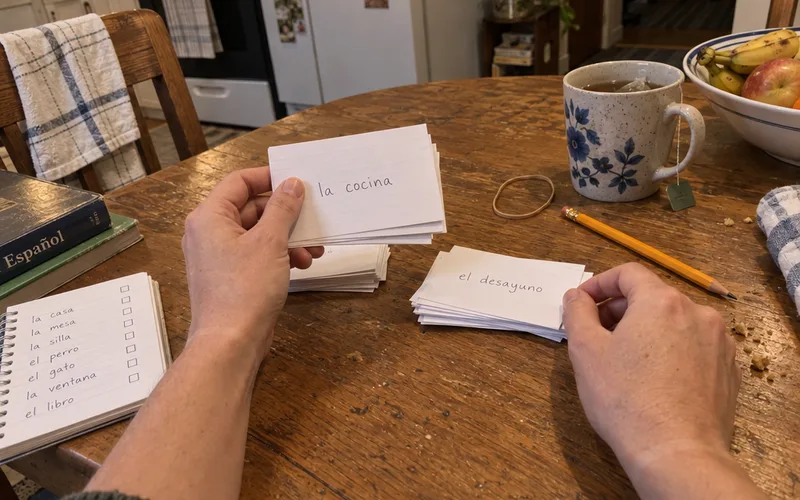
To make new words stick, review them with spaced repetition flashcards, which show each card again just before you’d forget it. Keep each session short so you still have time to listen and speak.
Step 4: Get Hours of Listening You Mostly Understand
Listening is just as important as speaking for fluency. It’s how you learn to understand people at full speed, pick up natural phrasing and hear how words should sound.
The key is material you mostly understand. This idea, called comprehensible input, means you follow the meaning from context without translating every word.
Here’s a simple ladder to climb:
- Kids’ shows, which use slow, clear speech and lots of visual context.
- Shows you already love, with subtitles in the target language, not English.
- Podcasts and YouTube videos from everyday people, not just news anchors.
That last rung matters more than it looks. Everyday speakers use slang, run words together and make mistakes, which is exactly what you’ll hear in real conversations.
When the audio still feels too fast, work on listening comprehension with short clips you replay until each line is clear.
Step 5: Speak From Week One, Even Alone
Don’t wait until you feel ready to speak. Speaking is its own skill, and you only build it by doing it.
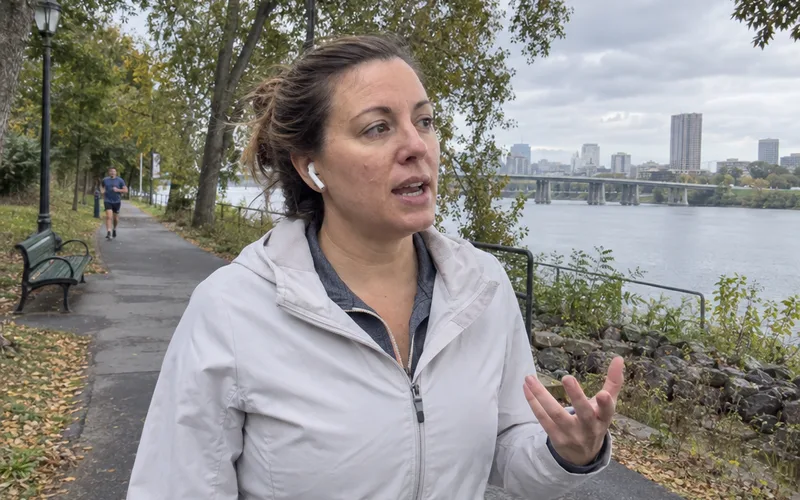
You can start without a partner. Narrate your day out loud, in short sentences like these:
“I’m making coffee. The coffee is too hot. Where are my keys?”
It feels silly at first. But every sentence trains your mouth and your brain to produce the language on the spot.
Next, try shadowing native speakers, where you repeat a recording right after the speaker, copying their rhythm and sounds. It’s one of the best ways to practice speaking alone when you have no one to talk to.
Over time, these habits help you think in another language instead of translating from English in your head. That shift is a big part of what makes speech feel fluent.
Step 6: Talk With Real People Every Week
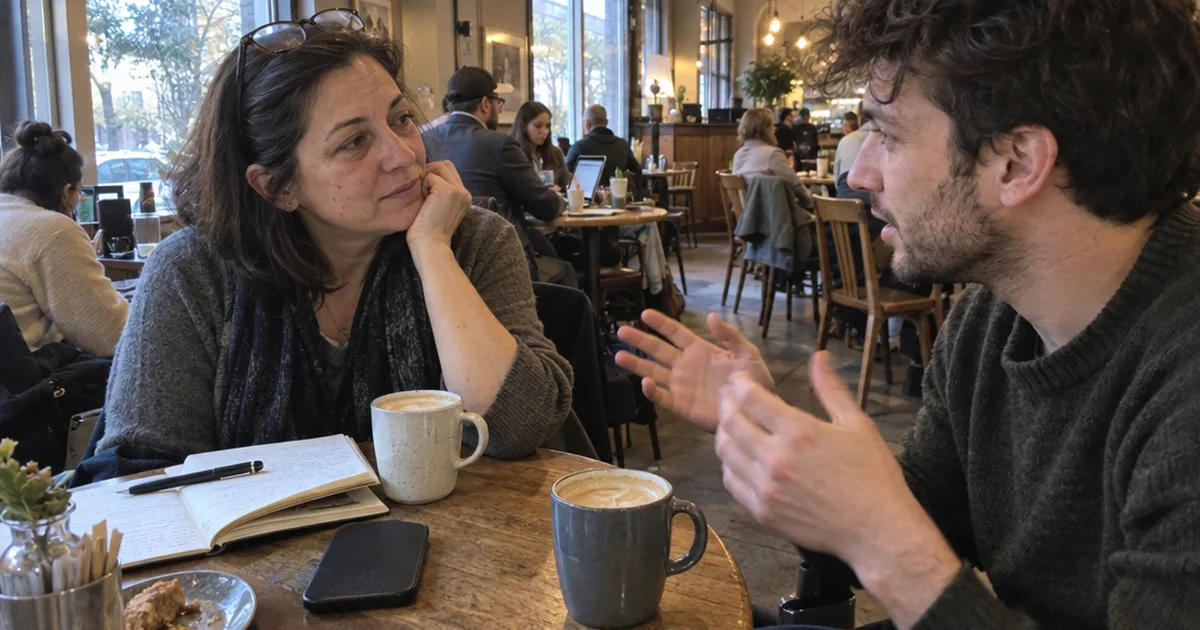
Conversation with real people is where fluency grows fastest. It builds vocabulary and comprehension like nothing else, because you have to understand and answer in real time.
You have three main options:
- A paid tutor who corrects you and adjusts to your level.
- A free language exchange partner who wants to learn English while you learn their language.
- A local or online meet-up where only the target language is spoken.
Here’s what to send a new exchange partner:
“Hi! I’m learning Spanish and can help with English. Want to swap 30 minutes of each, once a week, and correct each other’s mistakes?”
You’ll make embarrassing mistakes. Everyone does, and a good partner will help you laugh at them and fix them.
Step 7: Produce More of the Language to Break the Intermediate Plateau
The intermediate plateau is the stage where you understand a lot but stop improving. The way out is to produce more of the language, in conversations that go deeper than small talk.

Classes, apps and quick chats with store clerks won’t push you past it. You need to argue, explain and write about real topics.
Try one of these each week:
- Join an online book club or discussion group in the language.
- Write a journal entry, blog post or email to a pen pal.
- Volunteer or take a small job where you have to use the language.
Volunteering works because you have to show up, even on days you don’t feel motivated. That pressure is what moves you forward.
If you feel stuck, read about the language learning plateau and the shape of the language learning curve. Both show why progress slows in the middle, and the stages of language acquisition show what comes next.
Step 8: Check Your Level and Keep the Language Going
Check your level every few months so you know whether you’ve reached your target. An official proficiency test tells you where you stand on a real scale instead of guessing.
Once you’re there, keep using the language every week. Fluency fades when a language sits unused, so a show, a call or a long read each week keeps it sharp.
If you speak more than one, give each language its own weekly slot and rotate them, so you can maintain multiple languages without losing any.
What You Need to Become Fluent
Becoming fluent in a language takes 3 things: daily time, a few free tools and people to talk to. A daily slot you can protect matters more than any app you buy.
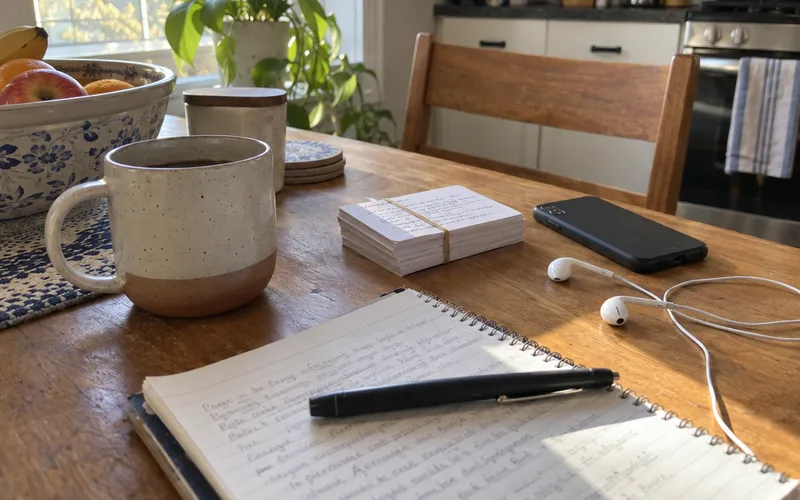
For tools, a dictionary app lets you look up a word mid-conversation, and a flashcard app handles review. For people, line up a tutor, an exchange partner or a meet-up group by Step 6.
What Does It Mean to Be Fluent in a Language?
Being fluent in a language means you can use it easily and accurately for the topics and situations you need, without stopping to translate. Fluency isn’t all or nothing: you can be fluent at work topics and still struggle at a doctor’s office.
Even native speakers don’t know every word. So fluency is about getting your meaning across clearly, even with a few mistakes.
That’s why tying fluency to a CEFR level, as in Step 1, beats chasing a feeling. You can compare what each level lets you do in this overview of language proficiency levels.
How Long Does It Take to Become Fluent in a Language?
How long it takes to become fluent in a language depends on 3 things: how far the language is from English, your weekly hours and your starting point. A related language with daily practice goes much faster than a distant one with an hour a week.
Plug your weekly hours into official estimates to work out how long it takes for your language. Then check your progress every few months and adjust.
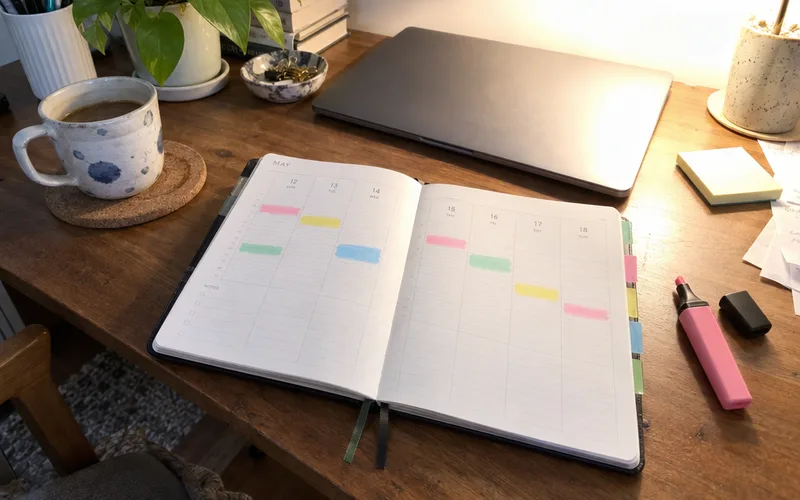
For specific goals, see whether you can become fluent in a year or learn a language in a month. French learners can also check how long French takes, and Spanish learners can follow a step-by-step Spanish plan.
Can You Become Fluent in a Language Without Living Abroad?
Yes, you can become fluent in a language without living abroad by building language immersion at home. Living in the country helps, but your phone, TV and computer can surround you with the language too.
Here’s how to immerse yourself without a plane ticket:
- Switch your phone and social media to the target language.
- Watch shows and movies in the language, with target-language subtitles.
- Listen to music and podcasts on your commute.
- Join online forums or meet-ups where only that language is used.
Going abroad still helps if you can manage it. International Cultural Exchange Services (ICES), a nonprofit exchange group, has run student programs since 1991, according to its own site.
Its site also says young people join exchange programs partly to improve their language abilities.
If you just finished high school, ICES announces 2 new outbound programs for American high school graduates.
Those short-term volunteer roles, including a Volunteer Language Buddy Abroad program, are listed as available in France and Italy.
Can You Become Fluent in a Language on Your Own?
You can teach yourself most of what it takes to learn a language fluently on your own, but you’ll need real conversations to finish. On your own, you can cover listening, new words, reading and solo speaking.
What it can’t fully replace is a live person who answers back. You need someone who asks follow-up questions, talks too fast and makes you think on your feet.
So teach yourself Steps 1 through 5, then add a tutor or an exchange partner. That mix gives you the freedom of self-study with the pressure of real talk.
Frequently Asked Questions
What is the fastest way to become fluent in a language?
The fastest way to become fluent in a language is daily, high-volume use: hours of listening you mostly understand plus regular conversation with people who correct you. Short daily sessions beat long weekly ones, so protect a slot every day before you add more tools.
Can I learn a language by just listening to it?
Listening alone builds understanding, but it won’t make you fluent at speaking. You need to say the language out loud too, through self-talk, shadowing and conversations, because speaking is a separate skill you only build by doing it.
Can you become fluent in a language in 3 months?
Full fluency in 3 months is a stretch for anyone starting from zero, but 3 months of daily study can get you to basic conversation. How far you get depends on the language, your hours per week and where you start.
How can I become fluent in a language for free?
You can become fluent in a language for free by combining free listening (shows, podcasts and YouTube), a free flashcard app, daily self-talk and a free language exchange partner online. A paid tutor speeds things up, but it isn’t required.
How do you become fluent in a language you already partly know?
To become fluent in a language you already partly know, find your weakest skill and spend most of your time there, usually speaking or reading. Heritage speakers who understand family conversations but freeze when they talk should start with daily speaking practice rather than grammar drills.
How do you keep a language once you are fluent?
You keep a language once you’re fluent by using it every week: one show, one conversation or one long read in it keeps the skill from fading. If you speak several languages, give each one a regular slot instead of switching only when you need it.
Final Thoughts
Fluency comes from daily use, not from finishing a course.
Pick your target level, protect a daily slot and say your first sentences out loud this week.