How long does it take to learn a language? Ask around and most people will tell you “it depends.”
That’s true, but it won’t help you plan your next year. In this guide, I’ll turn “it depends” into a timeline you can plan around.
Need a number fast? Jump to Step #2.
Still choosing a language? Start with Step #1.
How Long Does It Take to Learn a Language for Your Goal?
Your timeline starts with your goal, because “learning a language” means different things to different people. A traveler who wants to order dinner in Italian needs far less than someone who wants to work in that language.
So pick your finish line first. The Common European Framework of Reference for Languages (CEFR) gives you a shared yardstick, from A1 for beginners to C2 for near-native skill:
| Your goal | What you can do | Level to aim for |
|---|---|---|
| Travel basics | Greet, order, ask directions | A2 |
| Everyday conversations | Chat about your life and plans | B1 |
| Work in the language | Handle meetings and emails | B2 |
| Near-native fluency | Follow almost anything | C1-C2 |
Most learners don’t need C2 to get what they want, so don’t let a vague idea of fluency scare you off.
If you’re not sure where “fluent” starts, this breakdown of what counts as fluent helps you pick a realistic row. Then write your target level at the top of your notebook.
Step #1: Find the Official Hour Estimate for Your Language
Your language choice changes the timeline more than almost anything else. The Foreign Service Institute (FSI), which trains US diplomats, groups languages by how long native English speakers need to reach professional working proficiency on the Interagency Language Roundtable scale.
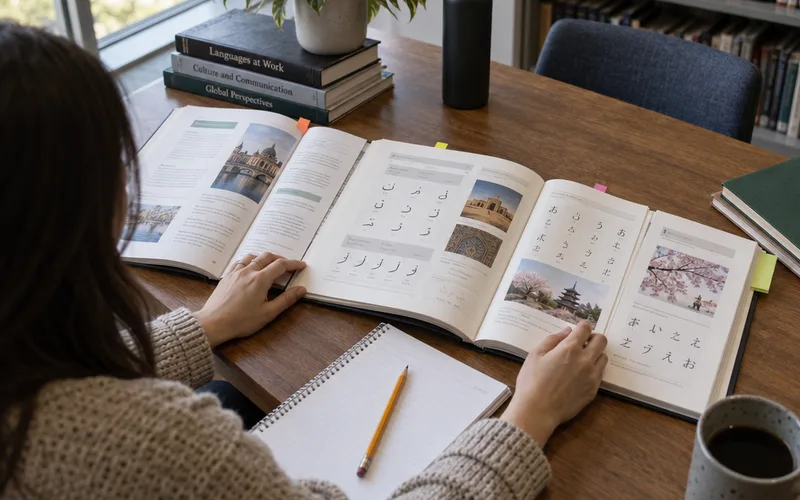
Romance languages such as Spanish, French, Italian and Romanian sit in its fastest group, while Russian, Polish, Turkish and Vietnamese fall in between. Arabic, Chinese, Japanese and Korean sit in its slowest, mostly because of new alphabets, writing systems and grammar.
Here’s how to get your number today:
- Search “FSI language difficulty” and open the State Department’s foreign language training page.
- Find your language and note its class-hour estimate.
- Write that number next to your target level.
Note: FSI estimates assume full-time classroom study with teachers. Treat them as a rough guide, and see these language difficulty rankings for why the groups differ.
Going deeper on one language? See the Japanese timeline, the French timeline, or how hard English is if English is your target.
Step #2: Turn Your Weekly Hours Into a Timeline
Here’s the deal: your timeline is your target hours divided by the hours you study each year.
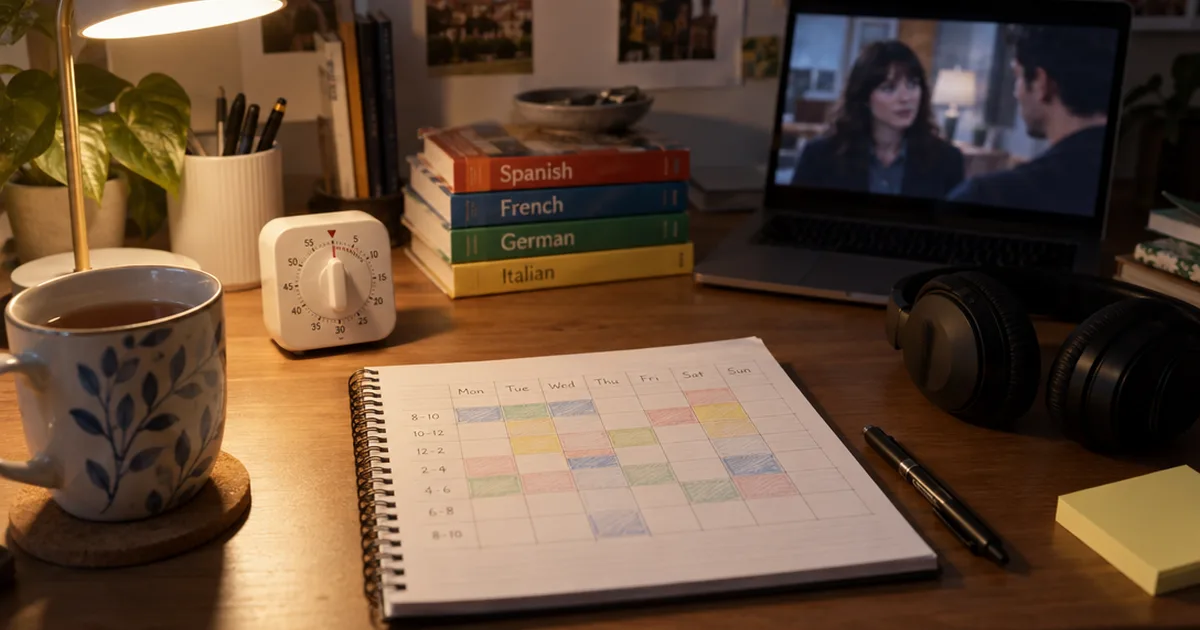
Count the hours you can protect each week. Here’s what common daily habits add up to over 52 weeks:
| Daily habit | Hours a week | Hours a year |
|---|---|---|
| 15 minutes a day | 1.75 | 91 |
| 30 minutes a day | 3.5 | 182 |
| 1 hour a day | 7 | 364 |
| 2 hours a day | 14 | 728 |
Now divide. Say the estimate you found is 1,000 hours, a round number for this example rather than an official figure.
At one hour a day, you’d need about 2.7 years. At two hours a day, it drops to about 1.4 years.
If that feels too long, add hours before you shrink your goal. Learning a language in a month only works for tiny goals, and fluency in a year takes serious daily time.
Step #3: Check Your Progress Every Few Months
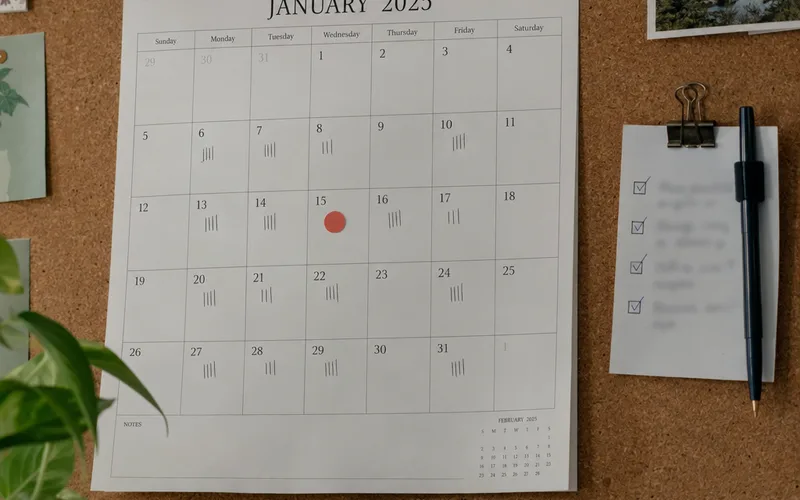
A timeline only helps if you check it. Every three months, compare your listening, reading, speaking and writing against the CEFR “can do” descriptions for your target level.
Prefer a formal score? The American Council on the Teaching of Foreign Languages (ACTFL) rates language proficiency from Novice to Superior, and its tests give you an outside opinion.
These proficiency level guides explain what each CEFR and ACTFL level looks like. If your scores stall for months, you’ve likely hit a learning plateau, and changing your routine usually beats adding more of the same.
What Speeds You Up (and What Slows You Down)
Two learners with the same hours can finish at very different times. The gap comes down to what they do with those hours:
- Lots of listening: hearing speech you mostly understand, from shows or podcasts, builds vocabulary and listening skills.
- Real conversations: speaking with a tutor or partner gives you feedback you can’t get from an app.
- Smart review: spaced repetition brings words back right before you forget them.
- Cognates: your first language helps when it shares words with your target language.
On the flip side, a new alphabet, unfamiliar sentence structure and verb conjugations slow most people down. So do long gaps between sessions.
Build your week around comprehensible input, meaning speech you mostly understand, then add spaced repetition for the words you keep missing. That pairing covers both halves of second language acquisition: hearing new words and keeping them.
Can You Learn a Language by Watching TV?
Watching shows counts toward your hours if you understand most of what you hear. Target-language subtitles, short scenes and replayed lines turn TV time into real listening practice.
The catch? Background viewing teaches far less than focused watching.
Pair one episode a day with a few minutes of noting new words, and your shows start paying you back.
Learning as an Adult or With an App
Adults pick up new languages all the time, so don’t let your age talk you out of it. What you control is your schedule, so set a weekly hour target you can keep for a full year.
Apps like Duolingo build a daily habit and basic vocabulary. Add listening and speaking on top, because an app streak alone rarely gets you to real conversations.
Your Next Step
Learning a language takes months for the basics and years for fluency, but a planned timeline beats a vague one. Pick your target level, look up your language’s FSI estimate and do the division tonight.
The fluency hub has more on getting there. Which goal are you starting with?
Frequently Asked Questions
How long does it take to realistically learn a language?
Realistically, plan on months for travel basics and years for comfortable fluency. Divide your language’s official hour estimate by your weekly hours to get your own number.
What's the top 3 hardest language?
For English speakers, Arabic, Japanese and Chinese (Mandarin) sit in the slowest Foreign Service Institute group, along with Korean. If you pick one, plan for more weekly hours from day one.
Which is the easiest language to learn?
For English speakers, Romance languages such as Spanish, Italian and Portuguese tend to be quickest because they share many cognates with English. Pick the one you’ll hear and use most.
What are the 7 stages of language?
Models differ, but most run from silent listening through short phrases to fluent use. Find your current stage first, then match your study to it.
Do high IQ people learn languages faster?
Language aptitude does vary from person to person, but no test score replaces study time. Focus on the part you control: your weekly hours and how much real language you hear.